The Last Days of the Coastal Property Boom – now closer than ever

With a new analysis showing that rapid sea level rise is going to hit Aotearoa earlier and harder than expected – with Wellington one of the areas to be worst hit – this feels like a good, or at least appropriate, time to bring back my poem “The Last Days of the Coastal Property Boom”, first published in my 2016 collection New Sea Land and then republished on the excellent Talk Wellington blog.

We need to reduce emissions, massively and urgently, but we also need to deal as best we can with the climate effects that are already coming – worse floods, worse droughts, more sea level rise. Check out the draft National Adaptation Plan and have your say by 3 June.


The Last Days of the Coastal Property Boom

Lights on, curtains drawn, ‘Ode to Joy’

turned up loud to drown the pounding sea —

habits of prosperity surviving awareness of its end.

But uncurtained morning shows the ocean

nearer by a day, the last remaining dune

barely a memory of marram grass and halophytes.

High tide casts driftwood to the bottom step,

spume splits paint flakes from seaward-facing walls,

decking warps and peels as foundations wash away.

This was prime property when they saw it first,

the retirees’ dream of a quiet cottage, snug

between tarmac’s end and the start of the dunes.

They saw the waves and wondered, paced

the reassuring distance from high tide to front gate.

The LIM report should have warned them  

but lawyers hired by those with most value to lose

had overturned the Council’s plans

and the LIM report said nothing.

The estate agent’s hectic glibness, the bank’s eagerness to lend,

lulled their fears to a vague and distant concern.

They found an insurer who would cover them,

cocooned themselves in pensions and furnishings,

paid no attention as Greenland and West Antarctica

spritzed meltwater into the rising sea.

That was the stuff of one-minute world news roundups,

helicopter shots of nameless, faceless, drowning refugees

in lands a reassuring hemisphere away.

Until the coastal defences failed, until first-world cities

were sent scrambling backwards from the beaches,

a planet-wide Dunkirk unfolding in reverse.

Now the children call them daily, desperate

for them to make the move inland. Now the house

rises and falls to the rhythm of the tide.

Now the last of their furniture vanishes,

hand-carried down the narrow strip of land

to the sympathetic darkness of the moving van.

They emerge defeated, encircled by cameras,

the human-interest story of the moment,

the last of this rich coastline’s climate refugees.

The van departs for the hinterland, where tent towns

sprawl cold across a wind-assailed plateau.

The coast reverts to sea wrack and bird call.

Waves take all but their house’s foundations, latest

and most miniature of reefs. What remains

is memory, that widest, all-consuming sea.

From Tim Jones’s poetry collection New Sea Land (Mākaro Press, 2016)

The New Zealand Poetry Society International Poetry Competition 2022 is open!

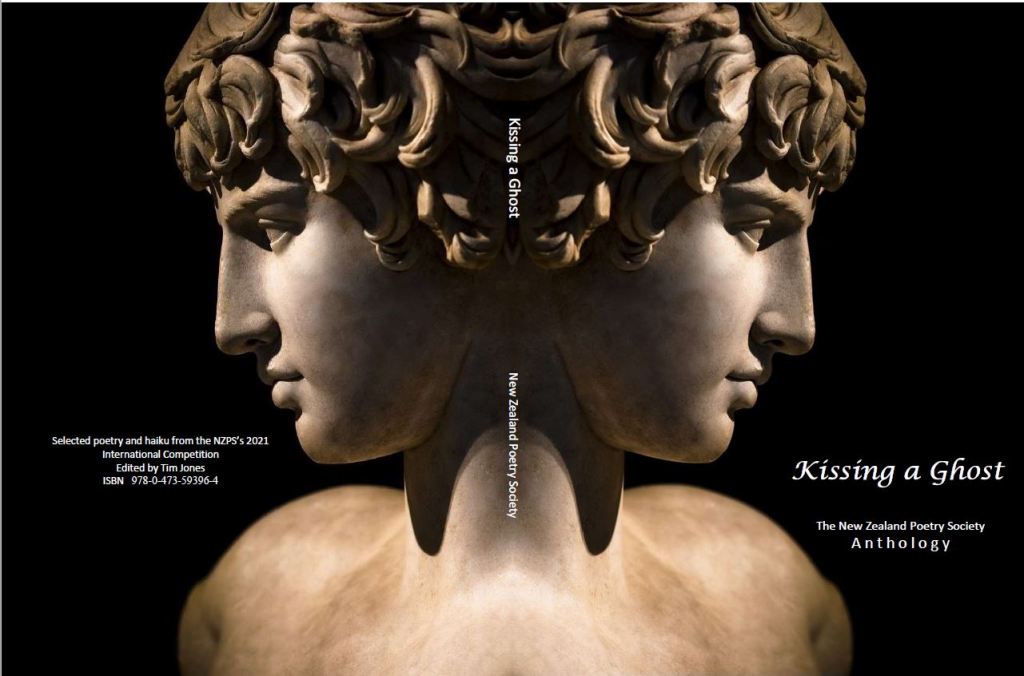
I edited the 2021 New Zealand Poetry Society anthology Kissing a Ghost, with the invaluable assistance of Anne Harré who did the design and production work – and I’m also going to edit the 2022 anthology.

Cover of poetry anthology Kissing a Ghost

Each year’s anthology includes all the winning, placed, highly commended and commended poems from the four categories of the NZPS’s International Poetry Competition, which means around half the poems in the anthology are chosen by the judges. My job as editor is to go through all the remaining competition entries and select those that I like most and that will make for a rounded anthology that works as a book.

Check out the competition info below from the New Zealand Poetry Society and start putting your competition entry together! The competition closes on 31 May 2022.

The New Zealand Poetry Society Competition for 2022 is open for entries!

Our competition is open to all members and non-members, worldwide, with members receiving an entry fee discount.

There are cash prizes to be won in each category, and all entries are eligible to be published in our anthology. Our annual anthology includes all placed and commended poems, as well as a selection of other favourite poems from the competition.

Poets can enter one of these four sections:
Open verse for adults (18 years and over)
Open verse for juniors (17 years or younger)
Haiku for adults (18 years and over)
Haiku for juniors (17 years or younger)

Class teachers can enter multiple poems from their students, using the school group form. There is also a discount for entering multiple entries as a school group.

Entry forms for all categories including school groups are now available to download on our website. Remember to read through the guidelines and rules for the section you’re submitting too, we’d hate to see your work disqualified. Since this international competition is open to all, forward this email to any and all friends, family, co-writers and fellow poetry enthusiasts, get the word out there!

Entries must be received by 31 May 2022.

Keen to enter? Click here for submission guidelines and entry forms!

Due to COVID-19, our competition is running solely online this year. If you have previously entered by post and would like guidance in entering online, we are happy to help. For this and any other queries, please email the Competition Coordinator, Georgia Wearing, at competition@poetrysociety.org.nz

Novella Review: “A Sky of Wretched Shells,” by Mark Blackham

Cover image of "A Sky of Wretched Shells", a novella by Mark Blackham


Mark Blackham’s A Sky of Wretched Shells is the third book in The Cuba Press’ novella series, following my novella Where We Land and Zirk van den Berg’s I Wish, I Wish. Both Where We Land and A Sky of Wretched Shells are climate fiction novellas, but they’re very different: Where We Land is about our near-future response to climate change, while A Sky of Wretched Shells is set further in the future, when most of the world has fallen victim to ecological disaster and only one island offers hope for survival.

On the island of Woleai, 15-year-old Mala and his people live in relative peace and safety as the rest of the world falls apart. The arrival of two Western outsiders brings an end to this fragile equilibrium.

I won’t say more about the plot, because a lot happens in this novella that it would be a shame to spoil. I will say that there’s some really beautiful descriptive writing and imagery in A Sky of Wretched Shells: I got a strong sense of place from Mark Blackham’s novella.

Nevertheless, I struggled with some of the choices the central character, Mala, made – from my point of view, he persistently makes choices that puts his island and his people at greater risk. (Though my decision-making at age 15 may not have been the greatest, either, and the end of the novel suggests that he has made better choices than it first appears.)

The ending took the story in directions I didn’t expect, reactivating the sense of wonder I used to get as a teenager from reading science fiction, even as my adult eye was casting a more sceptical gaze over proceedings. So I ended the novella with mixed feelings: but given the quality of his descriptive writing and the scope of his imagination, I’m keen to see what stories Mark Blackham writes next.

A Fitting Finale: “The Forge”, by Barbara Howe

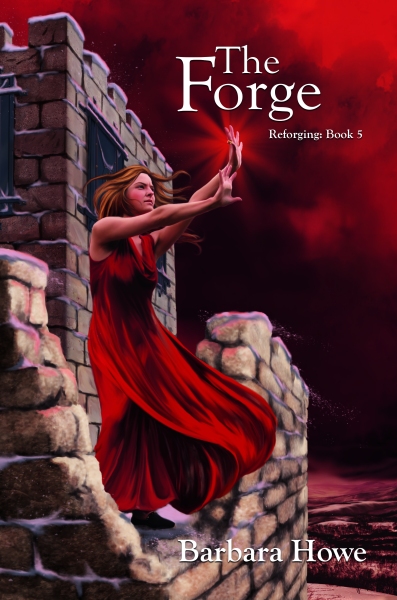
Cover of novel "The Forge" by Barbara Howe

I’ve just finished reading The Forge by Barbara Howe, the fifth and final volume in her Reforging series. There’s an excellent introduction to the series, and each of the books in it, on Barbara Howe’s blog – I encourage you to read that introduction and to buy and read the books!

Here’s the author’s summary of the series:

The series is set in an alternate Europe, where Charlemagne, the great Earth wizard and king of the Franks, turned north to conquer the British Isles instead of going south and east into Italy and Saxony. With Europe a roiling mess of conflict, he directed his wisest and most powerful witches and wizards to use their magic to protect the kingdom’s borders and bind together the warring groups within the conquered territory. Their response was to create four powerful magical entities named the Offices, each working in a symbiotic relationship with the head of the corresponding elemental magic guild. The most powerful, the Fire Office, provided the country’s defences. The weakest, the Water Office, dispensed justice.

These four offices served the kingdom of Frankland well in its early days, but a thousand years after their forging, the country is strangling in their iron grip. The country’s needs had changed, but the offices couldn’t adapt. In their haste to build the offices, their creators never considered that repairs might be needed.

The first four books cover the assembling of a small group of Frankland’s most powerful witches and wizards, dedicated to rebuilding the four offices, and the challenges they face along the way in rebuilding one of the offices. Those challenges include a civil war over the nature of the changes that come with the reforging of that office.


Barbara describes the series as “High fantasy novels for readers from teens to adults”, and that’s true, but what I particularly liked about the series is how grounded the stories are in realism, Yes, there are spells; yes, there are arcane rituals; but no matter how strong they are in magic, the central characters – and the minor characters – feel like real people, with real people’s strengths and weaknesses, frustrations and unexpected moments of grace.

This isn’t “realism” George R R Martin style, in which Everything Is As Grimdark As Possible All The Time. The challenges facing the people of Frankland are severe, and not all of them rise to the occasion, but enough of them have enough of a sense of collective purpose to work through – or at least park – their differences and work together for the common good, despite the risks. The female leads in the series are as realistic as the male characters, brave, scared, exhausted, resolute.

Good characters, a gripping plot, good storytelling, and a gripping conclusion. The Forge – and the whole Reforging series – is well worth your time.

Three New Poetry Books: Shelter, Up Flynn Road…, and Kissing a Ghost

One of my writing ambitions for 2022 is to get cracking on a new collection of poetry – my last few years have been very much about climate activism and, when I’ve been writing, climate fiction. Poetry is my first love as a writer and one I’m always keen to return to.

As a herald of what I hope will be more focus on reading and writing poetry in 2022,* here’s a review of a new poetry collection by Kirsten Le Harivel plus news of an anthology I contributed to and one I’ve edited.

*There is that idea for a sequel to Where We Land, though…

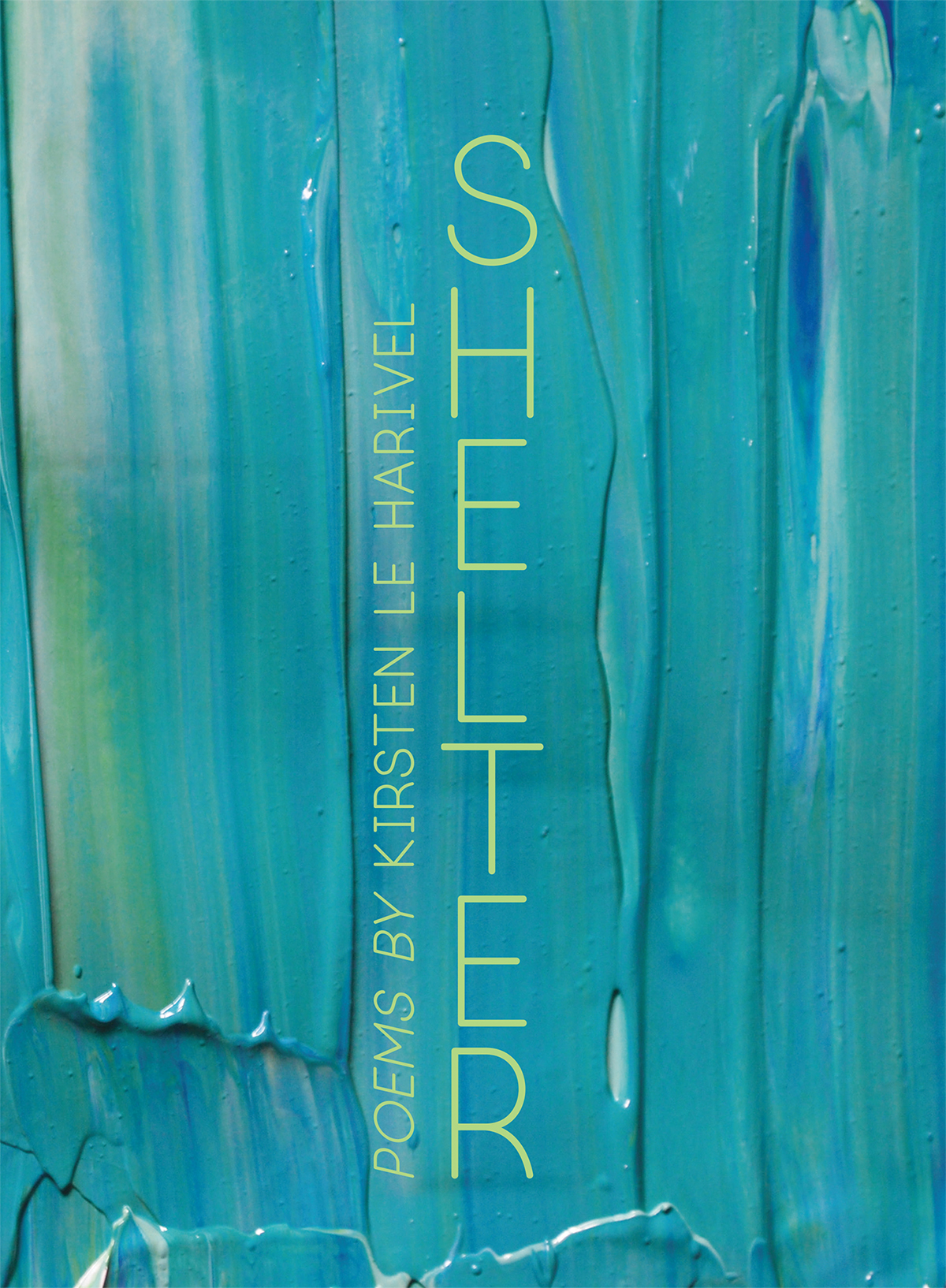
Review: Shelter, by Kirsten Le Harivel

Shelter is a collection of precisely observed poems that traverse cities, countries and places important to the poet: Glasgow, Ahmedabad, Kāpiti, and many others: a Tuapeka sheep truck, the Isle of Bute, Hiroshima, the corner of Cuba and Manners.

Kirsten Le Harivel has a sharp eye for people, places and the ways they interact, piling up words into pictures – that’s especially the case for the many fine prose poems in Shelter. There are many memorable lines here, and for much of the collection, the effect of the poems is cumulative rather than immediate. Helen Lehndorf says in her endorsement of the collection, “Le Harivel writes elegant, restrained poems which will soothe you, move you and ultimately, shelter you.”


Cover of poetry collection Shelter

It was the less restrained poems in Shelter, those with a clearer path through the elegant surface to the thoughts and feelings within, that appealed to me most. In her endorsement, Lynn Jenner comments that “Shelter contains the best poem about sex that I have ever read,” and it was the poems about sex and love that really stood out for me: funny, passionate, pissed off, or all three. I won’t quote “Bedroom”, but you’ll remember it once you’ve read it!

I will quote “Pillow talk” (p. 62):

“If you were here
the motes would float out
the upper window,
the breeze would linger,
there would be no interruptions.
I would ride your bed

and the smell of us would mingle…”

A beautiful poem about love, sex and recollection – but even better is “Writing conversations”, a love poem brought to you by the letter F where desire and The Oxford English Dictionary lose out to the Olympics: love as a sprint, not a marathon.

Shelter is powerful, controlled, and often smooth – yet it’s the sharper edges I’ll remember most.

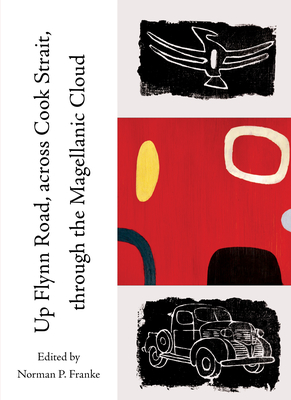
New Anthology: Up Flynn Road, across Cook Strait, through the Magellanic Crowd

My poem “Interrupted Journey” is included in this new anthology of travel poems, edited by Norman P. Franke and published by Orplid Press. It’s a lovely production and there are some excellent poems here – find out more and buy your copy from Poppies Bookshop, Hamilton.

Cover of poetry anthology Up Flynn Road...

New Anthology: Kissing a Ghost

With Anne Harré, who did the design and production work, I edited this year’s New Zealand Poetry Society anthology Kissing a Ghost, which contains all the winning, placed, highly commended and commended entries from the NZPS International Poetry Competition 2021 plus additional poems I chose from among all the entries. Check out the lovely cover Anne designed!


Cover of poetry anthology Kissing a Ghost

This anthology contains a lot of fine contemporary poetry and haiku from Aotearoa and abroad. If you’d like to buy a copy, here’s how:

For New Zealand Orders:
https://buy.stripe.com/5kA7sP65zatkfoA5km

For Australian Orders: https://buy.stripe.com/cN23cz3Xr1WO90c3cf

For Rest of the World Orders:
https://buy.stripe.com/cN2eVh1PjdFwa4g9AE

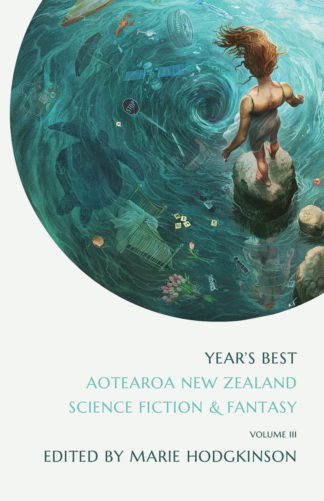
Year’s Best Aotearoa New Zealand Science Fiction & Fantasy, Volume III

Cover of Year's Best Aotearoa New Zealand Science Fiction & Fantasy Volume III

I’m really pleased that my climate fiction story “The Double-Cab Club”, first published in Stuff’s Forever Project in January 2020, was selected for inclusion in this excellent annual anthology from Paper Road Press, edited by Marie Hodgkinson. Check out the Table of Contents – lots of fine writers and stories included! – and get your print or ebook copy.

Year’s Best Aotearoa New Zealand Science Fiction & Fantasy: Volume 3, edited by Marie Hodgkinson

The third volume in our annual anthology series celebrating the strength and diversity of local SFF writing.

Cover by Rebekah Tisch.

Buy the paperback here, or the ebook at all major ebook retailers.

Table of Contents:

New Zealand Gothic, by Jack Remiel Cottrell
Synaesthete, by Melanie Harding-Shaw
Kōhuia, by T Te Tau
Death confetti, by Zoë Meager
For Want of Human Parts, by Casey Lucas
How To Get A Girlfriend (When You’re A Terrifying Monster), by Marie Cardno
Salt White, Rose Red, by Emily Brill-Holland
Florentina, by Paul Veart
Otto Hahn Speaks to the Dead, by Octavia Cade
The Waterfall, by Renee Liang
The Double-Cab Club, by Tim Jones
Wild Horses, by Anthony Lapwood
You and Me at the End of the World, by Dave Agnew
The Secrets She Eats, by Nikky Lee
How To Build A Unicorn, by AJ Fitzwater
Even the Clearest Water, by Andi C. Buchanan
You Can’t Beat Wellington on a Good Day, by Anna Kirtlan
The Moamancer (A Musomancer short story), by Bing Turkby
They probably play the viola, by Jack Remiel Cottrell
Crater Island, by P.K. Torrens
A Love Note, by Melanie Harding-Shaw
The Turbine at the End of the World, by James Rowland

Year’s Best Aotearoa New Zealand Science Fiction & Fantasy: Volume 3
Edited by Marie Hodgkinson
ISBN 978-1-99-115030-1

Climate Fiction, Climate Fact: My Writers in Schools visit to Nelson-Tasman

Tim Jones running a Writers in Schools workshop at Motueka High School

In early August, shortly before large parts of the country went into COVID lockdown, I visited 5 schools in Nelson-Tasman on a visit organised by the Read NZ Te Pou Muramura Writers in Schools scheme and sponsored by the Rātā Foundation.

Writers in School is a very worthwhile scheme that connects schools who want writers to visit, with writers who are keen to visit! I’ve done some individual school visits under the scheme before – the most recent, a very enjoyable visit to Wellington East Girls’ School to do a Q&A with a class who’d been reading my climate fiction novella Where We Land – but never a tour.

The trip was initiated by Motueka High School, who asked whether I could come to the school for a series of talks and workshops with their students on writing climate fiction and non-fiction. I said I’d like to do that if the trip could be combined with visits to other schools in the region, and thanks to excellent cooperation between Nelson-Tasman schools and ReadNZ, I ended up visiting five schools in three days:

Nelson College
Tapawera Area School
Motueka High School
Waimea College
Waimea Intermediate

I ran workshops and gave talks on writing climate fiction, writing fiction in general, and writing opinion pieces (“columns”), with students ranging from Year 5 to Year 13.

What did I take away? First of all, much as I enjoyed the visit, I was shattered after three days – I have no idea how teachers do it for week after week! Both the students, and the teachers and librarians, I met inspired me.

Talking of teachers, I very much appreciated the lovely hospitality I was offered, which kept me fed and watered throughout my tight schedule. My lunch wth the English teachers at Motueka High School was a particular highlight.

My final session finished the tour on a high note. I had only an hour with this self-selected groups of keen readers and writers in Years 7 and 8 at Waimea College, and my energy was down by the time I got there, but the group’s knowledge of and enthusiasm for writing was remarkable. When we did a brainstorm on “what makes stories work well”, one young student replied “foreshadowing and foretelling”, and when I asked her what those were, she gave a much better explanation than I could have done, with relevant examples!

I loved seeing the enthusiasm of the students, yet I couldn’t help asking myself: what sort of future are these young people facing? More and worse storms. More fires. More floods – all of which have hit the Nelson-Tasman region in the last couple of years. And the sea creeping ever upwards, ever inwards. It isn’t their fault. It isn’t even our fault, unless you happen to be, for example, a senior oil company executive or a coal mine owner. But it’s up to all of us to demand and take action to cut emissions sharply now, because if we don’t, an already dangerous future is bound to become much worse.

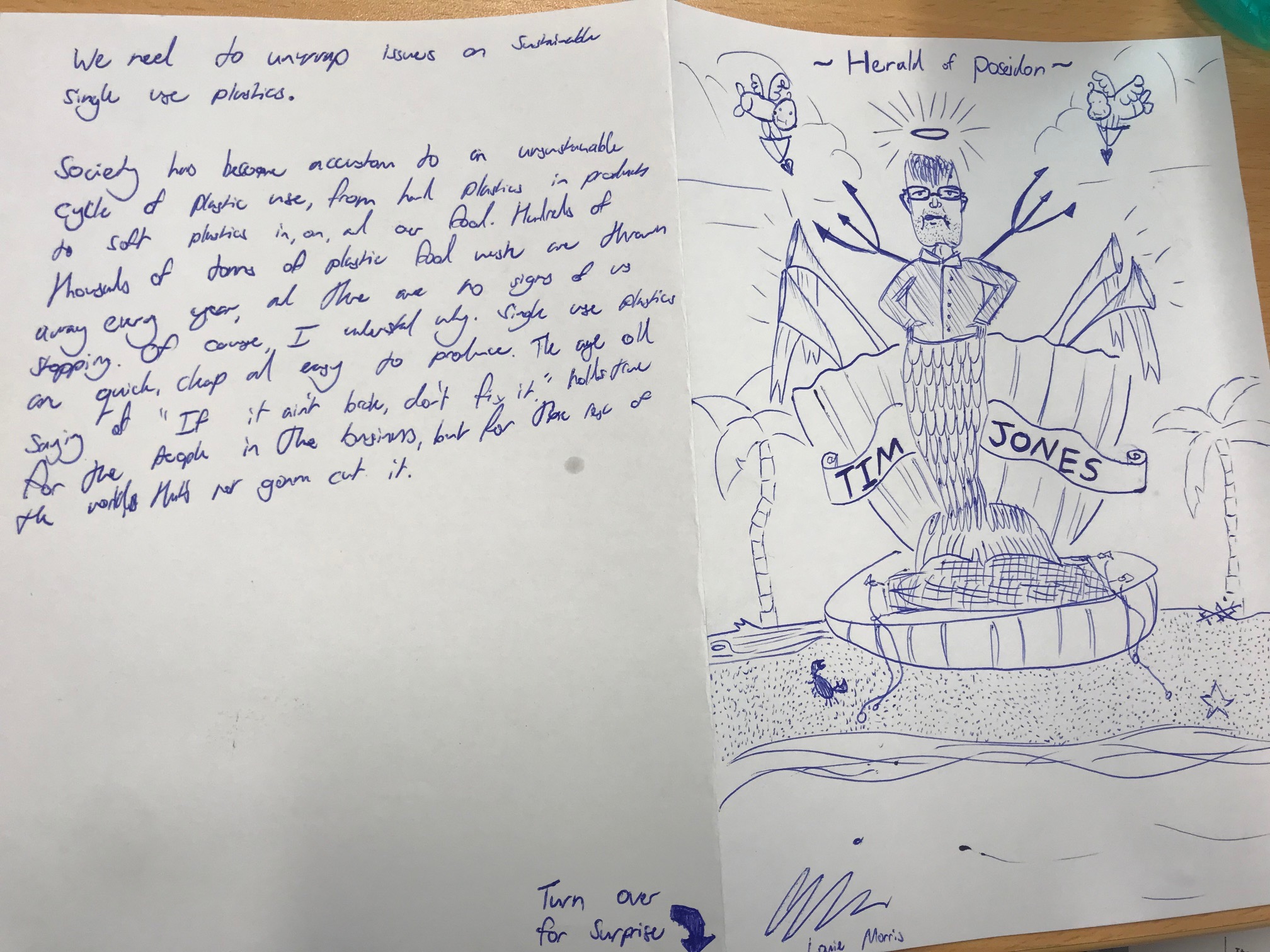
Herald of Poseidon: Here’s how I appeared to one student at Motueka High School. (For the record, I am flattered by this portrait!)


Handwriting and hand-drawn image of Tim Jones by a Motueka High School student

Photos and image credits from my day at Motueka High School: https://www.facebook.com/motuekahslibrary


Protest! Shaping Aotearoa

Many Hager’s new book Protest! Shaping Aotearoa is being launched this Thursday in Wellington, and you’re invited to the launch – if you’d like to come, please RSVP to media@onetree-house.com by Tuesday 10 August.


Invitation to launch of Protest! Shaping Aotearoa, including image of cover and image of the author, Mandy Hager

Launch details

Where: Vic Books Pipitea, Rutherford House, 27 Lambton Quay Wellington
When: Thursday 12 August, 5.15-6.30pm
Who: The book will be launched by Nicky Hager, with an introduction by Chloe Swarbrick

I’m looking forward to attending the launch and getting this book – not only because I think such histories are vital to inform and inspire new generations of activists, but because it contains a chapter on the Save Aramoana Campaign, the successful campaign to prevent a second aluminium smelter being constructed on a salt marsh at the entrance to Otago Harbour. I was involved in that campaign and gave some info to Mandy about it for the book – I’m looking forward to reading that chapter, and all the others!

The Blackball Readers and Writers Festival 2021

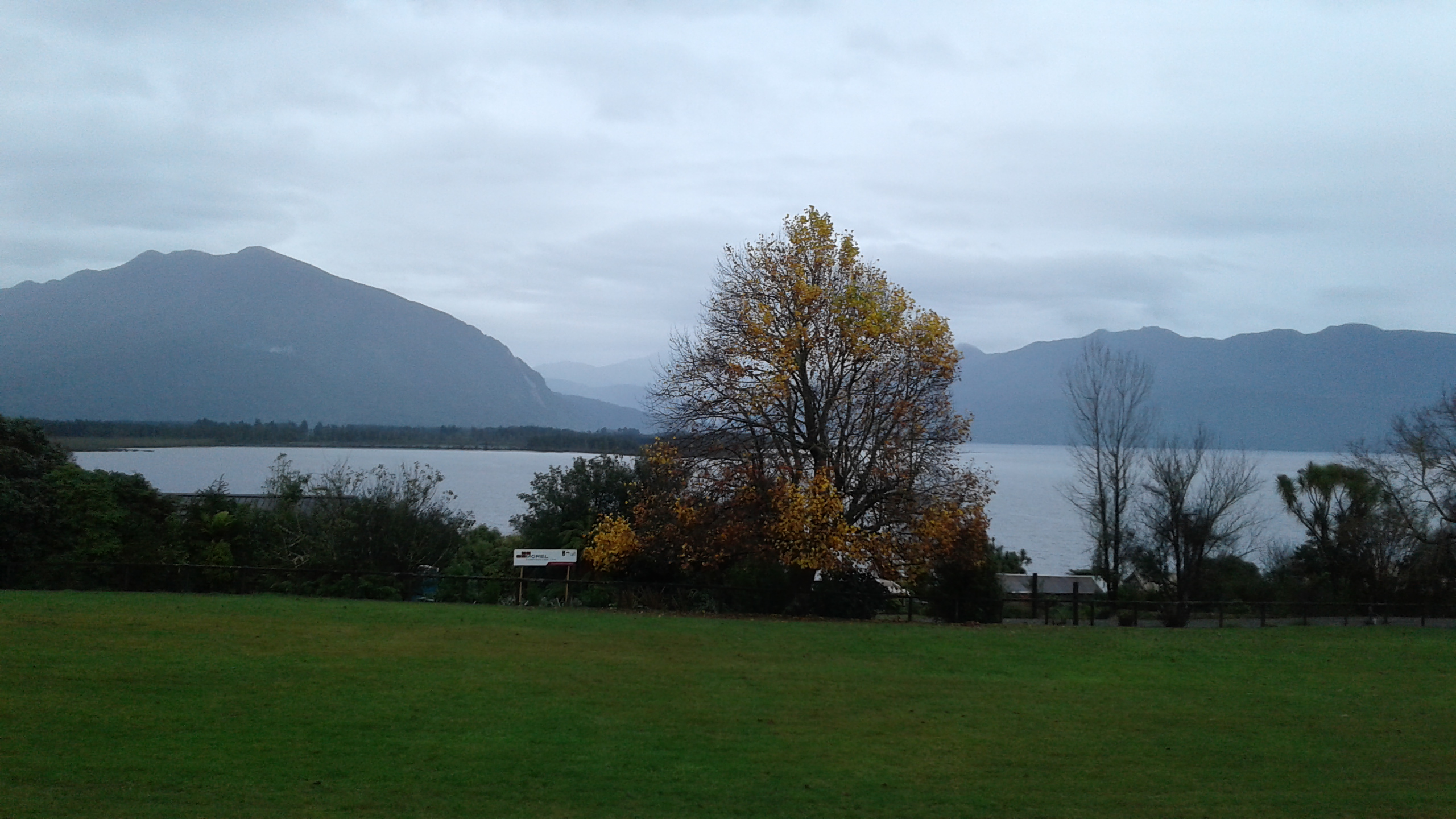
I last visited the West Coast in 1989, when I returned to Haast Beach, where I’d lived as a young child. (Here’s my poem about that return journey: Shetland Ponies, Haast Beach – and below is Lake Brunner, near Blackball.)

Lake Brunner, West Coast, South Island

For that and many other reasons, I was very glad to be invited as a guest to the Blackball Readers and Writers Festival – originally scheduled for 2020, but postponed till 2021.

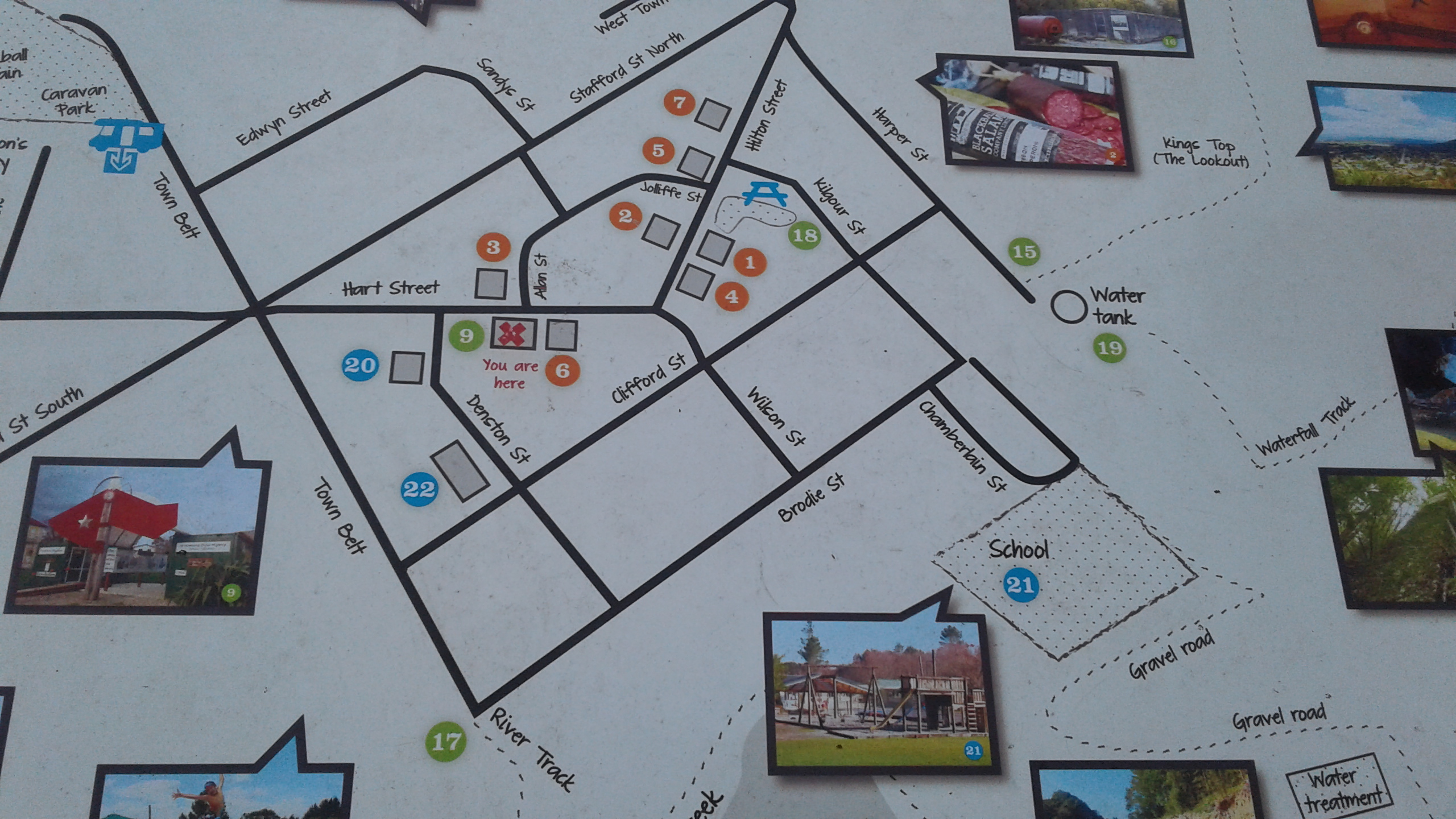
I enjoyed getting to know the village of Blackball, where as the map below shows there is a lot going on. I enjoyed listening to the sessions, which gave so much more opportunity to get to know writers than the usual two-questions-and-on-to-the-next-panelist format of larger writers’ festivals. AndI enjoyed the panel I was on, where Caroline Selwood interviewed Kathleen Gallagher and I about wiring and activism, and what motivates us as writers.

Map of Blackball

Blackball is a remarkable community, which both acknowledges and celebrates its mining past and is actively seeking to move beyond it. Here’s more about Blackball, the Festival, and Blackball’s role in promoting a Justice Transition away from fossil fuels for the West Coast:

– Festival Report: Readers & Writers Festival successful
– Radio NZ: Blackball – the town that refused to die
Coast future highlighted at May Day forum

I Talked With Solar Tribune About Climate Policy

I mostly keep this blog about my creative writing – but I juggle that with family time, paid work, and my climate change activism for groups such as Coal Action Network Aotearoa and Connect Wellington.

Recently, US publication Solar Tribune interviewed me as part of their series of interviews with people working on climate policy. I contributed to sections on the need to ban coal mining and use and the importance of a just transition.

Since the interview, the New Zealand Government has announced a ban on low- and medium-heat coal boilers and a phase-out date of 2037 for existing coal boilers – but in a climate emergency, 2037 is at least a decade too late. Climate groups will be keeping the pressure on to ensure that coal boilers are phased out much earlier – and that the transition is to renewables, not gas.

Solar Tribune is worth checking out – and as well as the climate policy stuff, there’s also a section on actions individuals can take – notably, getting involved in pushing for stronger and more urgent climate action and for climate justice!